
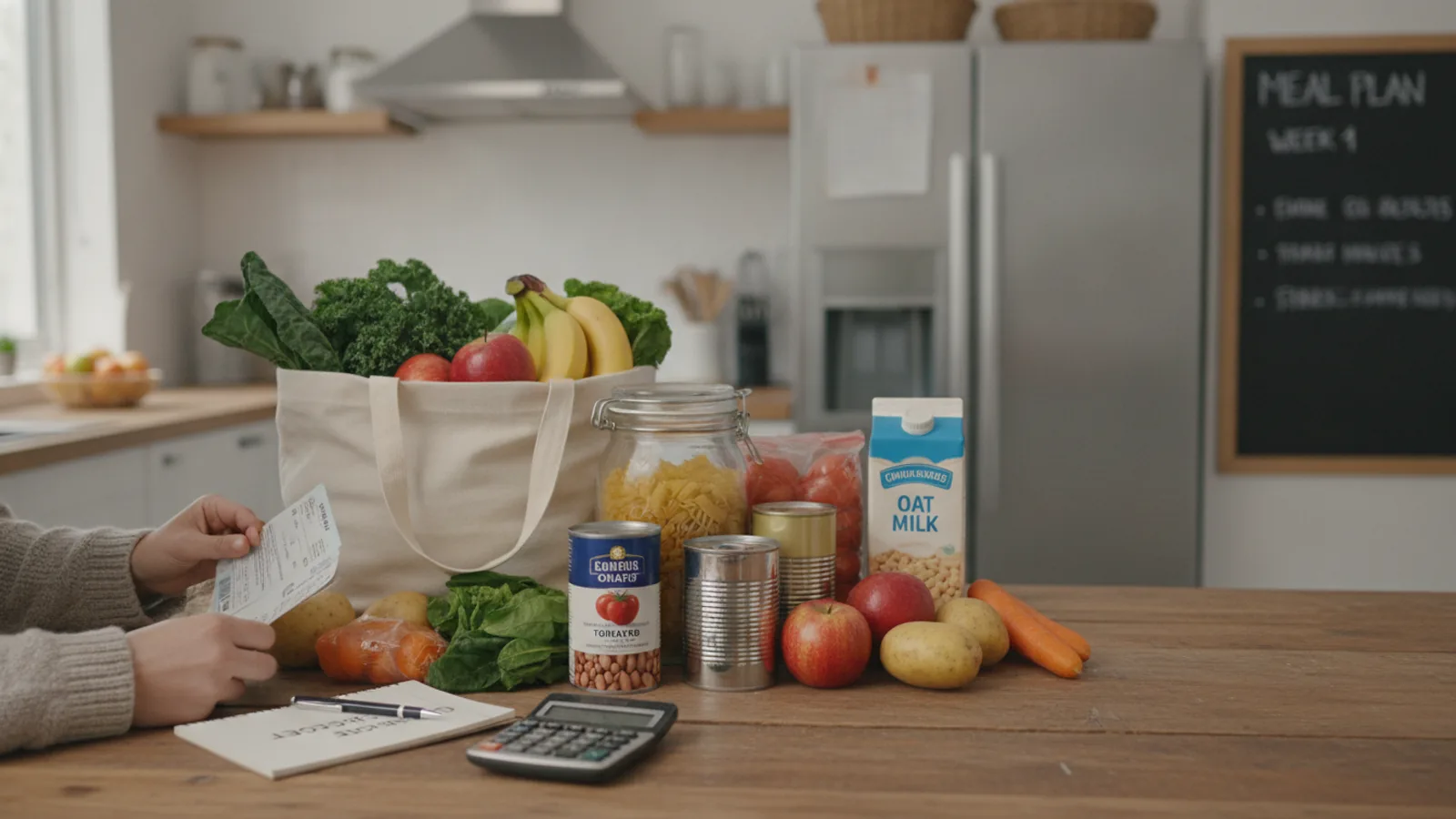
How To Save Money On Groceries
Feeling the pinch of rising food prices? You're not alone. This guide provides a complete, step-by-step system for cutting your grocery bill without sacrificing the quality of your meals. We'll walk you through planning, shopping, and cooking strategies that put you back in control of your budget. Whether you're trying to trim a few dollars or make a major change, these practical tips will help you shop smarter and waste less, week after week.
Fast Answer
- Meal Planning: Plan your meals for the week before you shop to buy only what you truly need.
- Use a List: Create a detailed grocery list based on your meal plan and stick to it to avoid impulse buys.
- Shop Sales: Check weekly store flyers and digital apps to plan meals around discounted items.
- Reduce Waste: Use leftovers creatively and store food properly to stop throwing away expired food—and money.
Before You Start
Success in saving money on groceries comes from preparation. It’s not just about what you do in the store; it’s about the system you build at home. Gathering these tools and understanding the context will set you up for long-term savings.
- A Clear Budget: Know exactly how much you can afford to spend on groceries each week or month.
- Weekly Store Flyers: Access your local grocery stores' sale ads, either in paper form or through their websites or apps.
- A List-Making System: Use a notebook, a whiteboard in your kitchen, or a notes app on your phone.
- Store Loyalty Accounts: Sign up for the free loyalty programs at the stores you frequent to access exclusive sales and digital coupons.
- Pantry & Freezer Space: Ensure you have organized space to store sale items and leftovers properly.
Step-by-Step Instructions
Step 1: Audit Your Current Spending
Before you can make effective changes, you need a clear picture of where your money is going. For one month, track every single dollar you spend on food. This includes grocery runs, convenience store snacks, coffee shop stops, and restaurant meals. Use a budgeting app or a simple notebook.
At the end of the month, categorize your spending. You might be surprised to see how much goes toward unplanned purchases or last-minute takeout. This data is your starting point. It reveals your habits and highlights the biggest opportunities for savings. Your goal isn't to judge yourself, but to gather information to create a realistic new budget.
Step 2: Create a Master Meal Plan
The single most effective way to save money is to plan your meals. Start by creating a "master list" of 15-20 budget-friendly meals your family enjoys. Include a mix of quick weeknight dinners, slightly more involved weekend meals, and simple breakfast and lunch options.
Each week, pull from this master list to build your weekly meal plan. This eliminates the daily "what's for dinner?" stress that often leads to expensive takeout. A rotating two-week plan can be especially effective, as it gives you variety while streamlining your planning process. Post the plan on the fridge so everyone knows what to expect.
Step 3: "Shop" Your Pantry, Fridge, and Freezer First
Before you even think about writing a grocery list, take a full inventory of what you already have. Check your pantry shelves, the back of your fridge, and the depths of your freezer. What ingredients need to be used up soon? Are there forgotten cans of beans or a half-bag of frozen vegetables?
Build your first few meals of the week around these existing ingredients. This practice, often called an "eat-down," is crucial for reducing food waste. If you have chicken thighs in the freezer and a jar of salsa in the pantry, you're halfway to a taco night. This step ensures you buy less and use everything you've already paid for.
Step 4: Build Your List Around Weekly Sales
With your meal plan outline and pantry inventory complete, it's time to consult the weekly sales flyers. Look for the front-page deals, especially on proteins (chicken, ground beef, pork) and seasonal produce, as these are often the most significant discounts.
Now, match the sale items to your meal plan. If chicken breasts are on sale, schedule a chicken dish. If it's broccoli and potatoes, plan for a roasted vegetable side. This is how you let the store's discounts dictate your menu, rather than paying full price for specific ingredients you crave. Once your meal plan is finalized based on sales, write down every single ingredient you need to buy. Be specific with quantities to avoid overbuying.
Step 5: Leverage Digital Coupons and Rebate Apps
Modern couponing is mostly digital and much easier than clipping from newspapers. Open your grocery store's app and browse the digital coupons. "Clip" the coupons for items that are already on your list. Be careful not to add things you don't need just because there's a coupon.
For extra savings, consider using cash-back rebate apps. Services like Ibotta or Fetch Rewards allow you to earn points or cash back by scanning your receipt after you shop. It might only be 25 cents here and a dollar there, but it adds up over time and requires very little effort.
Step 6: Shop Strategically and Stick to the List
The grocery store is designed to make you spend more. To combat this, you need a game plan. First, never shop when you are hungry, as this makes you vulnerable to impulse buys. Second, commit to your list. If it's not on the list, it doesn't go in the cart. If you see a great unadvertised deal, take a moment to consider if you can genuinely use it before it expires.
Many shoppers find it helpful to shop the perimeter of the store first. This is where fresh produce, meat, and dairy are typically located—the whole foods that make up the bulk of your meals. The center aisles, filled with processed snacks and convenience items, are where budgets often get derailed. Get what you need from the perimeter, then make a targeted trip down the aisles for specific items on your list.
Step 7: Master Unit Pricing to Find the True Value
The biggest box isn't always the best deal. To know for sure, you need to look at the unit price. This is usually listed in smaller print on the shelf price tag and tells you the cost per ounce, per pound, or per item.
Use the unit price to compare different sizes of the same product or to compare different brands. A smaller container of one brand might have a lower unit price than the large "family size" of another. This simple check takes only a few seconds and ensures you are always getting the most product for your money, regardless of packaging.
Step 8: Cook in Batches and Embrace Leftovers
Saving money isn't just about smart shopping; it's about smart cooking. Practice batch cooking by doubling a recipe when you make it. For example, if you're making chili, make a double batch and freeze half for a busy night later in the month. This "planned-over" becomes a fast, free meal that keeps you from ordering pizza.
Get creative with leftovers. Leftover roasted chicken can be used in sandwiches, salads, or a quick chicken noodle soup. Leftover rice can become fried rice. Thinking of leftovers not as a repeat meal but as an ingredient for a new meal makes them far more appealing and drastically cuts down on food waste.
Quick Reference
| Situation | Use this Strategy | Why It Works |
|---|---|---|
| A staple item (meat, pasta, canned goods) is at a rock-bottom price. | Stockpiling | Buy several to last until the next big sale, avoiding paying full price in the meantime. |
| Unsure which brand or size of an item is the best deal. | Check the Unit Price | It cuts through confusing packaging to show the true cost per ounce/pound. |
| Too tired to cook after a long day. | Use a "Planned-over" | Heating a pre-made, batch-cooked meal from your freezer is faster and cheaper than takeout. |
| Have random vegetables about to go bad. | Make a "Clean Out the Fridge" Meal | Soups, frittatas, stir-fries, and smoothies can use up odds and ends to prevent food waste. |
Common Problems When You Save Money on Groceries
Even with the best plan, you might run into some common hurdles. Here’s how to troubleshoot them.
Problem: "I always go over my budget, even with a list."
The Fix: Use the calculator on your phone as you shop. Add items to your running total as you put them in the cart, rounding up to the nearest dollar to give yourself a buffer. This makes you highly aware of your total and forces you to make trade-offs in the aisle, not at the register. If you're nearing your limit, you can decide to put back non-essential items before checkout.
Problem: "My fresh produce spoils before I can use it."
The Fix: This is a two-part problem: planning and storage. First, plan to use delicate items like leafy greens, berries, and mushrooms early in the week. Save hardier vegetables like carrots, potatoes, and cabbage for later. Second, learn proper storage. Store herbs like cilantro and parsley in a jar of water in the fridge. Keep ethylene-producing fruits (like apples and bananas) away from other produce to prevent premature ripening. Also, consider buying frozen fruits and vegetables; they are just as nutritious and last for months.
Problem: "I don't have time for all this planning and couponing."
The Fix: Start small. You don't have to implement every strategy at once. This week, just focus on making a list and sticking to it. Next week, try planning three meals around sale items. The 1-2 hours you invest in planning each week can save you hundreds of dollars a month and reduce daily stress—a worthwhile trade-off.
Advanced Tips for Saving on Groceries
Once you've mastered the basics, you can incorporate these advanced strategies to deepen your savings.
- Build a Price Book: Keep a small notebook or a spreadsheet where you track the regular price and the rock-bottom sale price of your 20-30 most frequently purchased items. This helps you recognize a truly great deal and know when to stock up.
- Shop the Clearance Sections: Ask an employee where the store keeps its marked-down items. You can often find meat that's near its "sell-by" date for 50% off (cook or freeze it the same day), discounted day-old bakery items, and dented cans or damaged boxes for a fraction of the price.
- Cook from Scratch: Convenience costs money. Making your own salad dressings, sauces, granola, and baked goods is almost always cheaper than buying their pre-packaged counterparts. It's also healthier, as you control the ingredients.
- Incorporate Meatless Meals: Meat is often the most expensive part of a meal. By planning one or two meatless meals per week built around inexpensive, high-protein foods like beans, lentils, eggs, or tofu, you can significantly lower your grocery bill.
How To Save Money On Groceries FAQ
Are warehouse clubs like Costco always a better deal?
Not necessarily. Warehouse clubs are excellent for shelf-stable pantry items, paper goods, and certain frozen foods, provided you have the space and will use the bulk quantity before it expires. However, their prices on fresh produce and meat aren't always competitive with a supermarket's weekly sales. Always compare the unit price and factor in the annual membership fee.
Is it cheaper to buy store brands?
In most cases, yes. Store brands (also known as private label or generic) are often made in the same facilities as name-brand products but cost 15-30% less. From pantry staples like flour and sugar to items like cheese and cereal, giving the store brand a try is one of the easiest ways to cut costs with no loss in quality.
How much should a family spend on groceries?
This varies dramatically based on family size, age of children, dietary needs, and location. The USDA publishes monthly food plan cost reports that can serve as a rough guideline. However, the best approach is to track your own spending for a month to establish your personal baseline, then aim to reduce it by a realistic percentage, such as 15%.
Final Checklist for Saving on Groceries
Use this checklist every week to ensure you’re hitting all the key steps for saving money.
- Set a realistic grocery budget for the week.
- Check your pantry, fridge, and freezer for existing ingredients.
- Review store flyers and plan meals around the best sales.
- Create a detailed grocery list based on your plan.
- "Clip" relevant digital coupons in your store's app.
- Eat a snack before you leave to avoid shopping hungry.
- Stick to your list and avoid browsing the aisles for "inspiration."
- Compare unit prices on items to find the true best value.
- When you get home, store all groceries properly to maximize freshness.
- Prep any ingredients you can in advance to make cooking easier during the week.